

Top Dyeing and Finishing Machine Manufacturer: Wanfang Supports Textile Processing Innovation
News originally published by
EIN Presswire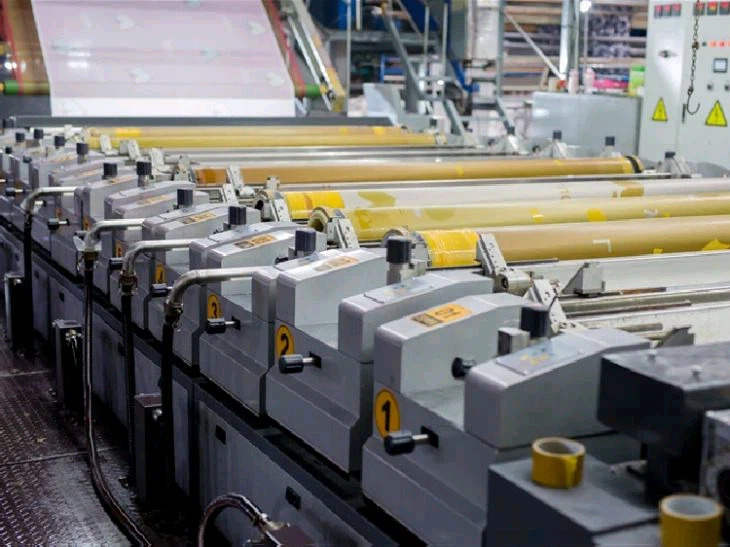
Touch Screen Non Woven Screen Printing Machine
WUXI, JIANGSU, CHINA, November 9, 2026 /EINPresswire.com/ --
The textile manufacturing industry is undergoing continuous development as producers respond to changing fabric requirements, increasingly varied designs, and growing expectations for production efficiency. Dyeing and finishing machinery plays an important role in this process, helping textile businesses manage fabric treatment, surface finishing, printing, and other essential operations. Against this industry background, Wanfang Dyeing and Finishing Machinery Manufacturing Co., Ltd. is an established participant in the textile machinery sector. With a product range covering multiple stages of textile processing, the company serves manufacturers looking for equipment suited to different production requirements. As a Top Dyeing and Finishing Machine Manufacturer, Wanfang is part of an industry in which equipment reliability, process adaptability, and practical manufacturing experience remain important considerations for textile producers.
The Changing Requirements of the Textile Machinery Industry
Textile production involves a series of interconnected processes, from preparing raw fabric to dyeing, printing, finishing, and final inspection. Each stage can influence the appearance, texture, and performance of the finished material. As textile manufacturers expand their product ranges, machinery must accommodate different fabric types, processing methods, and production arrangements. This creates demand for equipment that can support stable operation while allowing manufacturers to adjust processes according to their specific needs.
At the same time, textile producers are paying greater attention to production efficiency and material utilization. Unnecessary fabric movement, uneven processing, and repeated adjustments can affect operating costs and production schedules. Machinery suppliers therefore need to consider not only the primary function of individual machines but also how equipment fits into a complete production line. Dyeing and finishing equipment that supports coordinated fabric handling and consistent processing can contribute to more organized manufacturing workflows.
Wanfang's Experience in Textile Machinery Manufacturing
Wanfang Dyeing and Finishing Machinery Manufacturing Co., Ltd. has developed its business around machinery for textile dyeing, printing, and finishing applications. According to the company's published information, its history dates back to 2004, and it began developing overseas business in 2014. Its manufacturing facilities are located in Qianzhou Town, Huishan District, Wuxi, Jiangsu Province. The company describes its workshop as covering approximately 10,000 square meters and including areas for office operations, accessories storage, assembly, debugging, and injection-related work. These facilities form part of its manufacturing and equipment preparation operations.
The company's product portfolio includes machinery for rotary screen printing, flocking, coating, fabric guiding, and other textile treatment processes. This range reflects the variety of operations required in modern textile production. Different manufacturers may need equipment for printing patterns, improving fabric surfaces, guiding materials through processing lines, or applying particular finishing treatments. By serving several areas of textile machinery, Wanfang participates in a market where equipment selection is closely connected with the characteristics of the fabric and the intended production result.
Web Guiding and Spreading System for Fabric Handling
Accurate fabric handling is an important requirement throughout textile processing. During production, fabric may pass through multiple rollers, treatment sections, and finishing units. If the material shifts away from its intended path or becomes unevenly spread, it may affect subsequent operations. Proper guiding and spreading can help maintain a more controlled fabric path and reduce handling difficulties during continuous processing. These functions are particularly relevant in production environments where fabric alignment and width consistency need to be considered.
Wanfang Dyeing and Finishing Machinery Manufacturing Co., Ltd. includes the Web Guiding and Spreading System in its product portfolio. This type of equipment is designed for fabric guidance and spreading applications, helping textile manufacturers manage material positioning as fabric moves through a production line. Depending on the system configuration and operating environment, web guiding equipment can support the correction of fabric deviation, while spreading functions help keep material more evenly arranged. Such capabilities are useful when manufacturers need to coordinate fabric movement with downstream processing equipment.
The importance of a guiding and spreading system extends beyond the individual machine. Fabric alignment can influence how smoothly material enters printing, coating, dyeing, or finishing sections. A stable feeding condition may help reduce interruptions associated with fabric displacement and make it easier for operators to monitor the production process. When evaluating this type of equipment, buyers generally consider fabric width, material characteristics, operating speed, installation space, and compatibility with existing machinery. These factors help determine whether a system is suitable for a particular production line.
The Role of Dripping Machines in Textile Processing
In textile manufacturing, specialized machinery is often required to support particular treatment and finishing procedures. Dripping equipment represents one category within the wider range of textile processing machinery. Its role and configuration depend on the intended application, the materials being handled, and the requirements of the production process. For textile manufacturers, selecting suitable equipment involves understanding how a machine will interact with other production stages and whether its operating characteristics match the desired processing result.
Dripping Machine is another product category offered by Wanfang Dyeing and Finishing Machinery Manufacturing Co., Ltd. Its inclusion in the company's portfolio demonstrates the range of equipment associated with its textile machinery business. Buyers considering a dripping machine should assess the specific process for which it will be used, including the material characteristics, treatment requirements, production capacity, and the way the machine will be integrated into the wider workflow. Clear application planning can help manufacturers identify the appropriate equipment configuration and avoid mismatches between machinery and production objectives.
More broadly, specialized textile machinery must be evaluated in relation to practical operating conditions. Factors such as ease of adjustment, routine maintenance, operator familiarity, and compatibility with other equipment can influence the overall value of an installation. For factories managing several processing stages, coordination between individual machines is especially important. A well-planned production arrangement can help reduce unnecessary material transfers and support a more consistent workflow from one operation to the next.
Equipment Integration and Production Efficiency
Modern textile factories increasingly view machinery as part of an integrated production system rather than as a collection of independent units. Fabric may travel through guiding systems, printing machines, coating equipment, and finishing sections before becoming a completed textile product. Each stage needs to operate in a way that supports the requirements of the next. Equipment compatibility, production layout, and material flow therefore play important roles in machinery investment decisions.
For manufacturers considering products from Wanfang, the first step is to identify the actual needs of their production process. A Web Guiding and Spreading System may be relevant when fabric alignment and controlled feeding are important, while a Dripping Machine may be considered for a particular textile treatment application. The appropriate choice depends on the fabric, processing method, production objectives, and existing equipment. Discussing these factors before installation can help buyers evaluate whether a machine is suitable for their intended use.
Maintenance and operator training are also important parts of long-term equipment management. Regular inspection, cleaning, and maintenance can help identify wear or operating problems before they interrupt production. Operators who understand the equipment's functions and adjustment procedures are better positioned to respond to routine production changes. Wanfang's published company information indicates that it provides technical support, operator training, maintenance training, and warranty-related services. Such support can be relevant to customers planning equipment installation and ongoing operation.
International Markets and Industry Development
Textile machinery manufacturers operate in a market shaped by international trade, changing consumer preferences, and developments in fabric production. Textile factories in different regions may have distinct requirements based on local product categories, labor conditions, production scales, and technical standards. Machinery suppliers serving international customers must therefore consider communication, equipment selection, delivery coordination, and after-sales support as part of their business operations.
Wanfang reports that it has supplied machinery to customers in China and expanded its business overseas. Its published company information identifies markets including India, Turkey, South Korea, Vietnam, and Italy. This international business activity reflects the cross-border nature of the textile machinery industry, where manufacturers and equipment suppliers often work with customers across different production environments. For buyers, the ability to communicate application requirements and obtain appropriate technical information is an important part of the purchasing process.
Looking ahead, textile production is likely to continue emphasizing process consistency, equipment adaptability, and more efficient use of manufacturing resources. Machinery suppliers will need to respond to the differing needs of fabric producers while maintaining attention to practical equipment performance and service. Companies with experience across several textile processing categories may be positioned to participate in these developments by offering equipment options for different stages of production.
About Wanfang Dyeing and Finishing Machinery Manufacturing Co., Ltd.
Wanfang Dyeing and Finishing Machinery Manufacturing Co., Ltd. is a textile machinery manufacturer based in Wuxi, Jiangsu Province, China. Established in 2004, the company focuses on machinery for dyeing, printing, and finishing applications and began expanding its overseas business in 2014. Its product range includes rotary screen printing machines, flocking machines, coating machines, Web Guiding and Spreading System, and Dripping Machine, among other textile processing equipment. The company also provides technical support and training services for customers. With manufacturing facilities and experience in serving domestic and international markets, Wanfang continues to participate in the development of textile processing machinery. More information about its products and services is available on the official website: www.wanfangmachine.com.
Address: Jiangsu Province, WuXi City, Huishan, Qianzhou Town
Official Website: https://www.wanfangmachine.com/
Chen Elf
Wanfang Dyeing and Finishing Machinery Manufacturing Co., Lt
sales@cnwfjx.com
Legal Disclaimer:
EIN Presswire provides this news content "as is" without warranty of any kind. We do not accept any responsibility or liability for the accuracy, content, images, videos, licenses, completeness, legality, or reliability of the information contained in this article. If you have any complaints or copyright issues related to this article, kindly contact the author above.
